Fault Lines
The Fault Lines series examines moments when progress, confidence, and modern systems collide—and fail. These books focus not on spectacle or hindsight, but on the underlying fractures that disasters expose labor rendered invisible, class shaping survival, technology trusted beyond its limits, and institutions slow to confront their own assumptions.
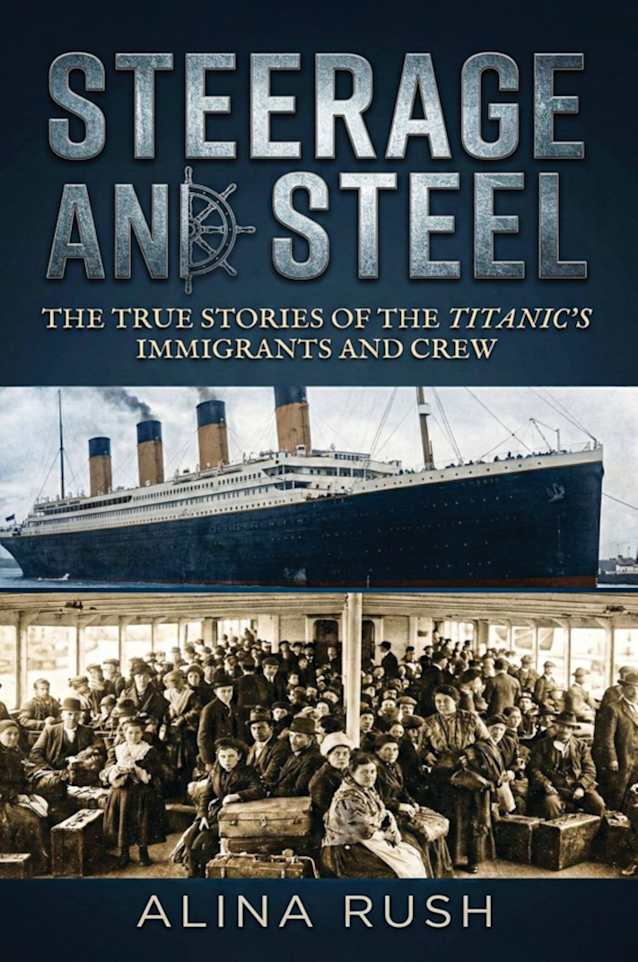
Beginning with the Titanic trilogy and extending to crises such as the economic disparities of the Great Depression, the series traces how economic, social, and technological fault lines run beneath seemingly stable worlds. Each volume grounds its narrative in verifiable history while centering the experiences of ordinary people caught inside extraordinary events—workers, immigrants, families, and communities whose lives bore the actual cost of collapse.
Fault Lines is not a history of accidents. It is a study of systems under stress, of warnings ignored, and of the human consequences that follow when risk is unevenly distributed. These are stories about how societies break—and what those breaks reveal long after the headlines fade.