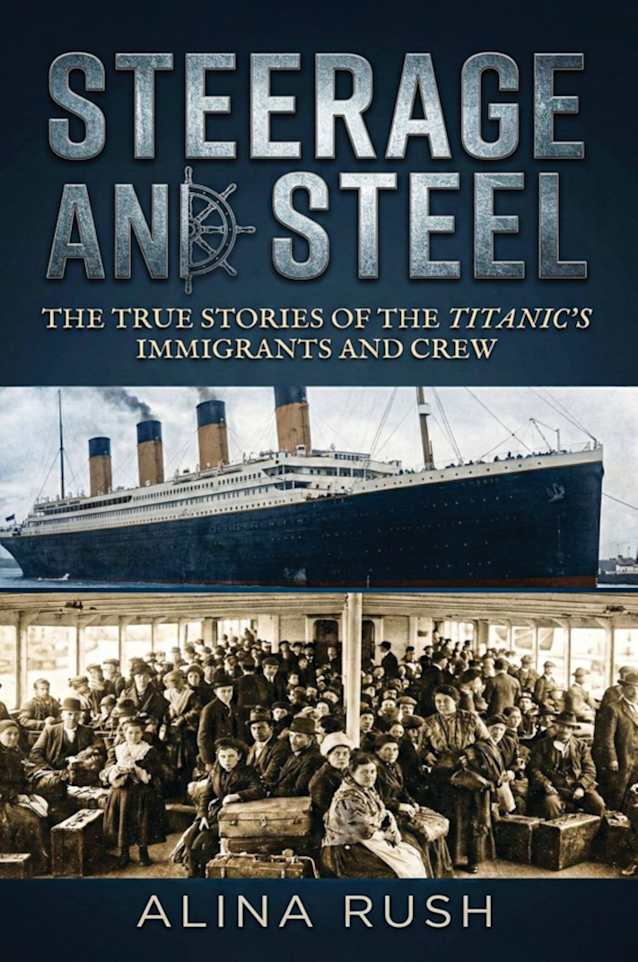
Steerage and Steel: True Stories of Titanic’s Immigrants and Crew (Fault Lines)
About
The sinking of Titanic has been told for more than a century—but rarely from the inside out.
This book moves beyond legend to examine the lives shaped, tested, and lost beneath the decks: immigrant families traveling steerage, engineers and firemen who stayed at their posts, women navigating evacuation rules shaped by class, language, and access. Drawing on inquiry records, survivor testimony, and modern scholarship, it reveals how disaster did not strike evenly—and how survival was shaped by labor, hierarchy, and proximity to power.
Using official inquiry findings, passenger records, and survivor accounts, this volume examines how class, labor, and access shaped survival aboard Titanic. It centers the experiences of third-class immigrants, crew members, and families whose lives rarely appear in popular retellings, while situating the disaster within the broader systems that governed early twentieth-century travel.
Readers will discover:
How labor aboard the ship became both essential and invisible
Why evacuation outcomes followed class and gender lines
What immigrant communities—Irish, Lebanese, Scandinavian, Central European, Chinese, and others—experienced before and after the sinking
How official investigations reshaped maritime safety, and what they failed to address
Written with restraint and grounded in verifiable sources, this book avoids mythmaking in favor of meaning. It is part of the Fault Lines series, which explores moments when modern systems fail—and reveal who they were designed to protect.
For readers interested in social history, disaster studies, and overlooked lives, this is Titanic reconsidered.